
Why Humans Believe in Hidden Knowledge: The Psychology Behind Occult Attraction
The Quiet Pull of the “Hidden”
At some point, almost everyone feels it — a curiosity about hidden truths. Ancient symbols, secret teachings, mystical systems, coded meanings. Even people who consider themselves rational sometimes feel drawn toward the idea that something deeper exists beneath ordinary reality.
Why?
To understand this, it helps first to understand what occult traditions actually are. If you haven’t yet read our foundational guide, “What Is Occultism?”, it explains the historical and cultural meanings behind esoteric systems.
This article goes deeper — into the psychology behind why hidden knowledge feels compelling in the first place.
The Human Brain Is Wired for Pattern Recognition
The human mind evolved to detect patterns. Recognizing connections helped early humans survive.
But this strength has a side effect:
We often detect patterns even when none objectively exist.
This tendency explains why:
- Symbols feel meaningful
- Coincidences feel intentional
- Random events feel connected
- Mystical systems feel structured
Occult traditions often rely on symbolic frameworks. These frameworks align naturally with the brain’s pattern-seeking tendencies.
The Need for Meaning in Uncertainty
Uncertainty creates psychological discomfort.
When life feels unpredictable, relationships, health, career, identity — humans instinctively search for explanation. Hidden knowledge systems provide structured narratives.
Instead of chaos, there is symbolism.
Instead of randomness, there is purpose.
From a psychological standpoint, occult systems can reduce existential anxiety by offering coherent stories.
The Desire for Control
Believing in hidden knowledge can create a sense of personal empowerment.
If the universe operates through symbols, energies, or unseen laws, then learning those systems may feel like gaining access to influence or control.
This does not necessarily mean the belief is irrational. It means the belief fulfills a psychological function: restoring perceived agency.
Cognitive Biases That Strengthen Occult Attraction
Several cognitive processes reinforce belief in hidden systems:
1. Confirmation Bias
We notice evidence that supports what we already believe.
2. Apophenia
The tendency to see meaningful patterns in random data.
3. Illusion of Control
Overestimating our influence over external events.
4. Narrative Bias
Preferring coherent stories over randomness.
These biases are not signs of weakness. They are normal features of human cognition.
Occult traditions often align closely with these cognitive tendencies.
Archetypes and Symbolic Depth
Symbols used in occult traditions frequently mirror universal psychological patterns.
Psychiatrist Carl Jung described archetypes as universal symbolic themes emerging from the collective unconscious.
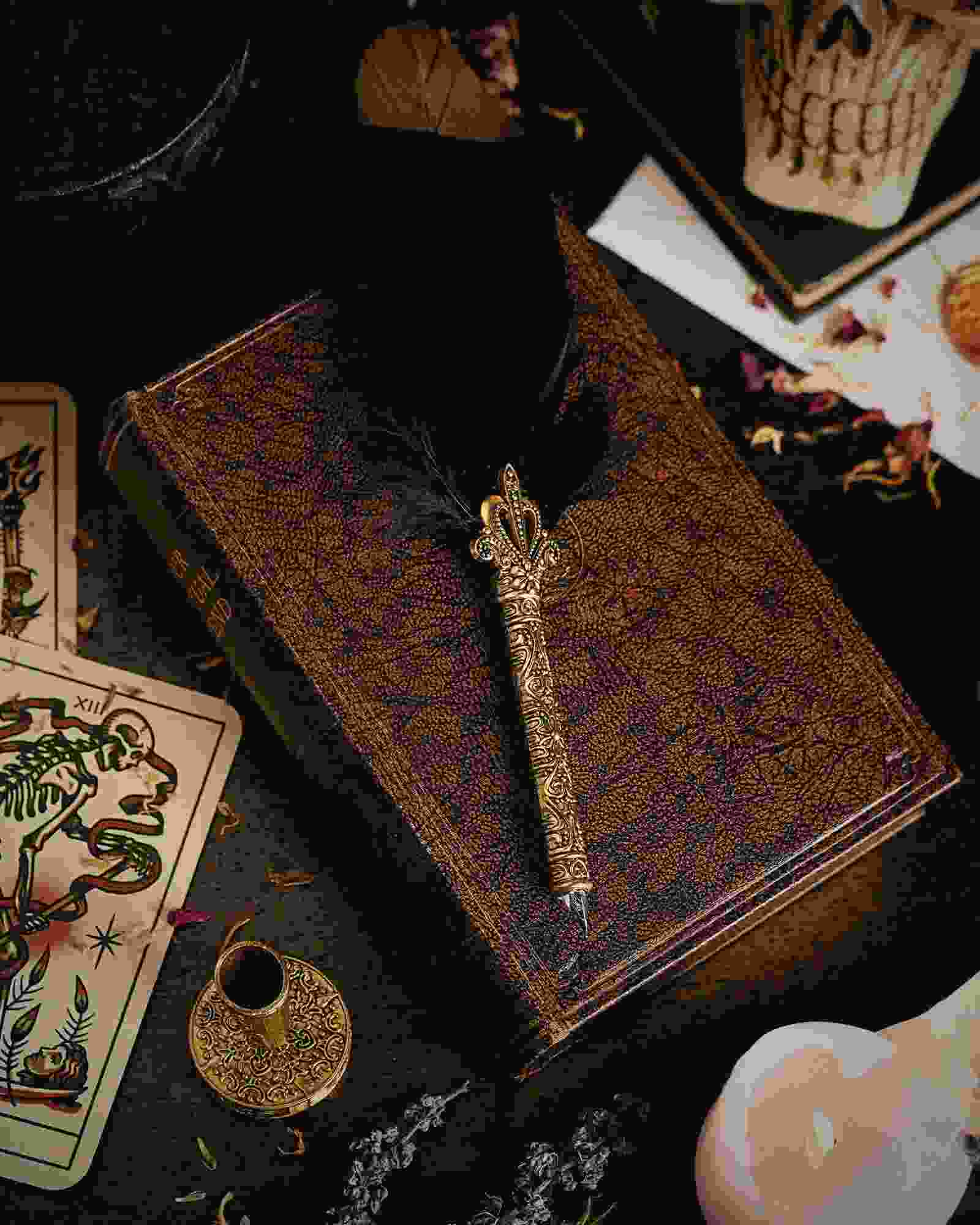
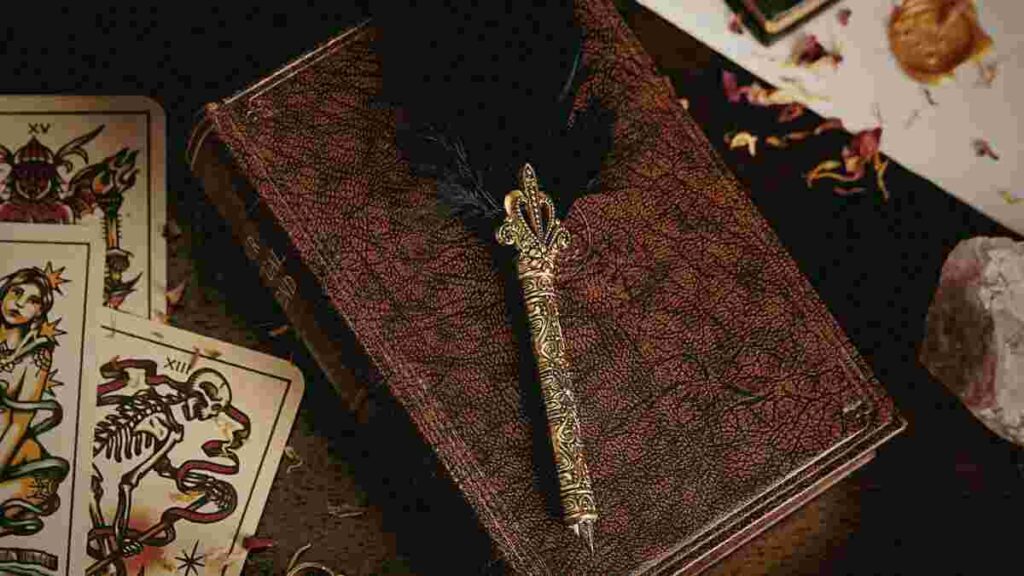
When people engage with tarot imagery, alchemical symbols, or mystical narratives, they may actually be interacting with deeply embedded psychological structures.
The symbols resonate because they reflect inner psychological patterns.
Identity and Belonging
Occult communities can also fulfill social needs.
Shared language, shared symbolism, and shared worldview create belonging. For individuals searching for identity or differentiation, esoteric traditions can feel empowering and unique.
Belief systems are rarely just intellectual. They are social and emotional experiences.
Is Attraction to Hidden Knowledge Irrational?
Not necessarily.
Curiosity about the unknown has driven:
- Philosophy
- Early science
- Religious inquiry
- Mystical exploration
The problem arises only when symbolic belief replaces critical thinking or practical decision-making.
Balanced curiosity allows exploration without losing grounding.
Practical Example: Tarot as Psychological Mirror
Some individuals use tarot cards as predictive tools. Others use them for reflection.
When viewed psychologically, tarot can function similarly to a projective exercise, prompting introspection through imagery.
The experience may feel mystical, but the mechanism often involves meaning-making and subconscious processing.
Understanding the psychological layer does not dismiss the spiritual interpretation. It simply adds clarity.
FAQ Section
Why do intelligent people believe in hidden knowledge?
Intelligence does not eliminate cognitive bias. Highly intelligent individuals are still driven by pattern recognition and meaning-making.
Is believing in occult systems a sign of mental illness?
No. Cultural beliefs and symbolic systems are common across societies. Problems arise only when beliefs interfere with daily functioning.
Why do coincidences feel meaningful?
Because the human brain is highly sensitive to pattern detection.
Can someone explore occult ideas safely?
Yes — with critical thinking, historical awareness, and psychological grounding.
Conclusion: The Psychology Beneath the Mystery
Belief in hidden knowledge is not random. It reflects fundamental human tendencies:
- Seeking meaning
- Reducing uncertainty
- Desiring control
- Connecting with symbolic archetypes
- Searching for belonging
Occult attraction is not purely mystical. It is deeply human.
Understanding this psychology allows curiosity without fear — and exploration without losing balance.
Continue Reading
- Spiritual Experiences vs Psychological Phenomena: How to Understand the Difference

- Magical Thinking vs Critical Thinking: Understanding the Psychological Difference
- Why Humans Believe in Hidden Knowledge: The Psychology Behind Occult Attraction

- What Is Occultism? Meaning, History, and Psychological Perspective
- The Silent Burnout Crisis: Your 4-Step Guide to Recharging Your Emotional Power