
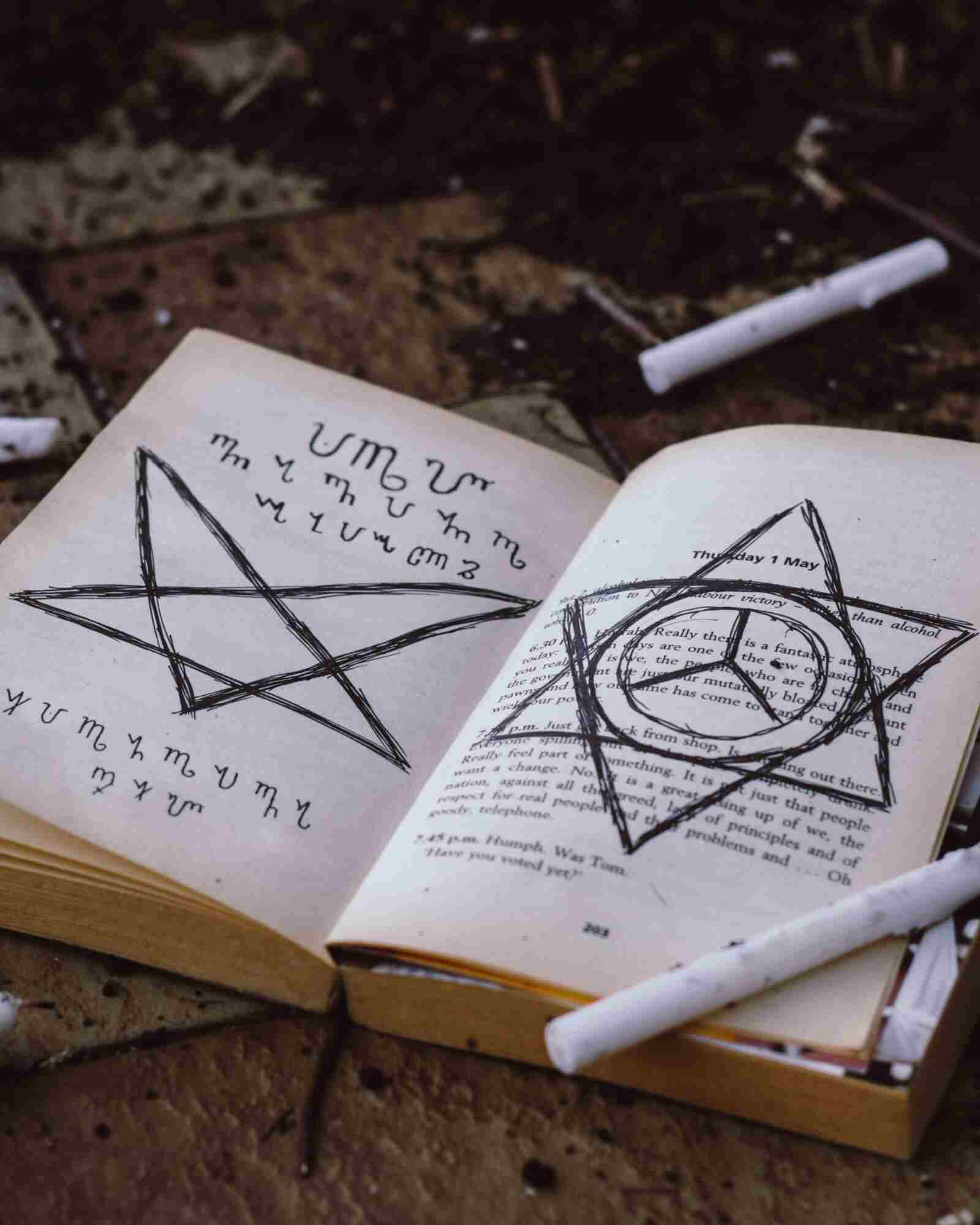
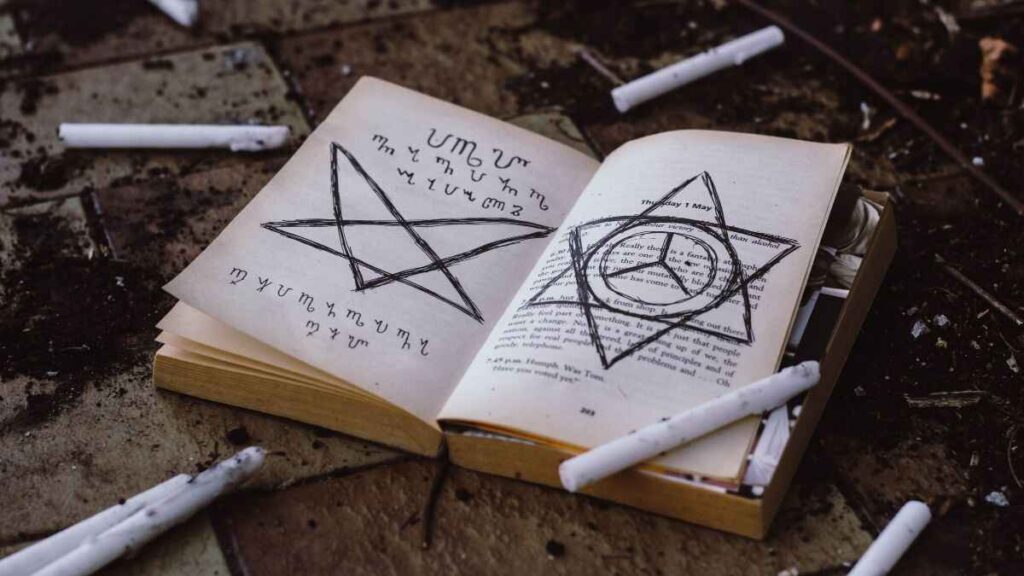
What Is Occultism? Meaning, History, and Psychological Perspective
Why Are Humans Drawn to Hidden Knowledge?
Across cultures and centuries, people have searched for hidden truths, knowledge believed to exist beyond ordinary perception. Whether through symbols, rituals, or sacred texts, this pursuit of “hidden wisdom” has shaped spiritual traditions, mystical schools, and even early scientific exploration.
But what exactly is occultism? Is it dark? Dangerous? Misunderstood? Or simply another expression of humanity’s desire to understand the unknown?
This guide explains occultism clearly, historically, and psychologically, without fear or exaggeration.
To understand why humans are psychologically drawn to hidden knowledge, read our in-depth analysis on the psychology of occult attraction.
What Is Occultism?
Occultism refers to the study or practice of hidden knowledge, mystical traditions, and esoteric systems that claim to reveal deeper truths about reality.
The word “occult” comes from the Latin occultus, meaning “hidden” or “secret.”
Occultism is not one single religion. Instead, it is an umbrella term that includes various traditions such as:
- Hermetic philosophy
- Alchemy
- Astrology
- Tarot symbolism
- Ritual magic
- Esoteric Christianity
- Kabbalistic mysticism
At its core, occultism explores knowledge believed to be hidden beneath surface reality.
The Historical Roots of Occultism
Occult traditions existed long before the word “occultism” became common.
Ancient civilizations — including Egypt, Greece, India, and Mesopotamia — developed symbolic systems to understand the cosmos. During the Renaissance, occult philosophy blended with early science and theology.
In the 19th and early 20th centuries, Western occult movements became more organized through societies such as:
These groups emphasized symbolism, ritual, and spiritual self-development.
Over time, popular culture often misrepresented occultism as inherently dark or sinister. In reality, many traditions focused on self-knowledge, symbolic understanding, and personal transformation.
Is Occultism the Same as Witchcraft or Satanism?
No.
Occultism is a broad intellectual and spiritual category. Witchcraft and modern Satanic movements are separate traditions with their own beliefs and practices.
Occultism primarily centers on hidden knowledge and esoteric systems, not devil worship or harm.
Misunderstandings largely arise from media portrayals and the fear of unfamiliar systems.
The Psychological Perspective: Why Are People Drawn to Occultism?
From a psychological viewpoint, occult systems often fulfill core human needs:
1. The Need for Meaning
Humans are pattern-seeking beings. We look for symbolic explanations to make sense of uncertainty.
2. Desire for Control
In unpredictable situations, mystical systems can provide structure and perceived guidance.
3. Identity Formation
Occult traditions often provide a framework for belonging and self-definition.
4. Archetypal Symbolism
Many occult symbols mirror universal psychological patterns described by thinkers like Carl Jung, who believed symbols emerge from the collective unconscious.
Occult systems often operate through symbolic language, something the human mind naturally understands at a deep level.
Practical Example: Tarot as Symbolic Reflection
Take tarot cards as an example.
While some use tarot for divination, others approach it as a psychological tool, similar to guided introspection. The imagery can trigger reflection, much as projective techniques used in psychology do.
The power may not lie in supernatural prediction but in the human tendency to find meaning in symbols.
This psychological framing helps separate belief from cognitive process.
Is Occultism Dangerous?
Occultism itself is not inherently dangerous.
However, problems can arise when:
- Symbolic beliefs replace practical decision-making
- Magical thinking overrides critical thinking
- Vulnerable individuals rely exclusively on mystical systems for guidance
Balanced exploration, grounded in rational awareness, reduces risk.
How to Approach Occult Topics Safely and Rationally
If exploring occult traditions:
- Study the historical context first.
- Understand symbolic language.
- Maintain critical thinking.
- Avoid extreme interpretations.
- Separate metaphor from literal belief.
Curiosity and skepticism can coexist.
FAQ Section
1. Is occultism a religion?
No. It is a broad category that includes various esoteric traditions.
2. Does occultism involve dark rituals?
Not inherently. The media exaggerates this aspect. Most traditions focus on symbolism and self-development.
3. Why do occult symbols feel powerful?
Because humans respond deeply to archetypes, metaphor, and pattern recognition.
4. Is occultism anti-science?
Historically, early science and occult philosophy often overlapped. Today, they operate separately.
Conclusion: Hidden Knowledge or Human Psychology?
Occultism reflects humanity’s enduring desire to understand the unseen layers of existence.
Whether approached spiritually or psychologically, its core themes, symbolism, meaning-making, and transformation mirror universal aspects of the human mind.
Understanding occultism does not require belief. It requires context.
And context transforms fear into knowledge.
Continue Reading
- Spiritual Experiences vs Psychological Phenomena: How to Understand the Difference

- Magical Thinking vs Critical Thinking: Understanding the Psychological Difference
- Why Humans Believe in Hidden Knowledge: The Psychology Behind Occult Attraction
- What Is Occultism? Meaning, History, and Psychological Perspective
- The Silent Burnout Crisis: Your 4-Step Guide to Recharging Your Emotional Power